There is a specific kind of tired that comes from working in tech. Not physical tiredness, but the mental kind, where you have been context-switching between tickets, standups, and half-broken builds for so long that your focus is shot and even weekends feel like background processes running. If you have felt that particular developer fatigue, you already know that a normal beach holiday does not fix it. You need somewhere that forces you to actually stop.
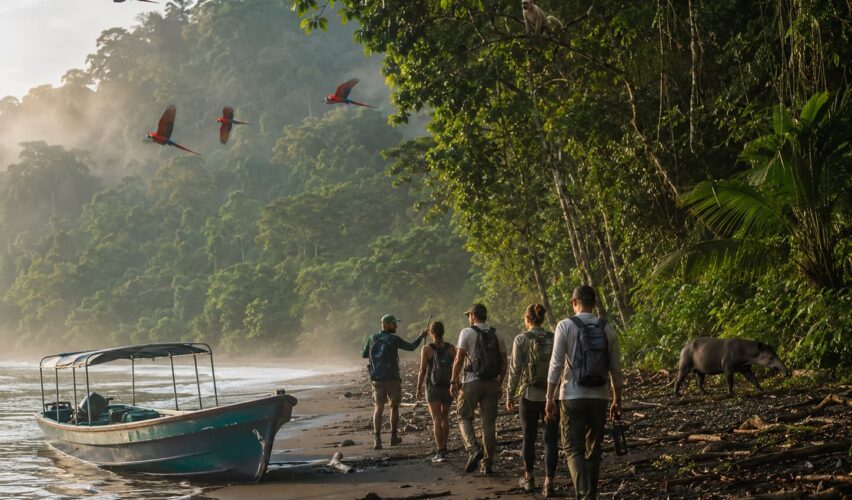
Corcovado National Park is about as far from a notification as you can get. It sits on Costa Rica’s remote Osa Peninsula, and National Geographic once called it the most biologically intense place on Earth. It protects around 41,788 hectares of primary rainforest, the last big stretch of Pacific coastal jungle in Central America, and there is no road to its wildlife heart at Sirena. You get there by boat, at dawn, and then the outside world simply switches off.
One thing to know up front, because it shapes everything: since 2014 a certified guide has been legally required to enter Corcovado. You cannot wander in alone, and rangers will turn you away without one. This sounds restrictive, but it works out beautifully. These guides are specialists who spot a sleeping sloth or track a tapir where you would see only leaves, a bit like pairing with a senior engineer who knows the codebase cold. Permits are also capped daily per station, with no walk-in option, so a good operator who handles the permit and passport paperwork is not a luxury here. It is the whole game.
Here are the best ways to experience Corcovado, ranked and sorted from the gentlest introduction to the full expedition.
1. Compare and Book It All in One Place
Corcovado has five sectors, two gateway towns, boat logistics, and a permit system that rejects walk-ins. Sorting that yourself, from another continent, is exactly the kind of yak-shaving you came here to escape. Corcovado National Park Tours is a platform built specifically around the park, so instead of guessing you get the tours laid out clearly by station, difficulty, and what each one actually involves.
The real value is that it handles the fiddly parts. Permits reserved in advance with your passport details, certified guides, boat transfers, and the choice of gateway are all sorted, so you turn up and walk into the jungle instead of arguing with a ranger at the gate.
You can compare Corcovado stations and tours here and lock it in before you fly, which matters because permits for the best station sell out weeks ahead in dry season. It is the difference between a clean deploy and a rollback at the gate.
Best for anyone visiting for the first time who wants the logistics handled. If you are already based on the Osa and know your station, book that directly.
2. The Easy Intro: San Pedrillo from Drake Bay
If you want Corcovado without the full-day intensity, start at San Pedrillo. It sits on the park’s northern edge, a short 45-minute boat ride from Drake Bay, and it trades the deep-jungle density of Sirena for excellent birding and a couple of spectacular waterfalls you can sometimes swim beneath.
The pace is gentler, the boat ride is shorter, and the crossing itself is often a wildlife show, with dolphins common and humpback whales appearing in season. It is a proper taste of primary rainforest without needing serious fitness or an overnight commitment.
You will see less large wildlife here than at Sirena, so if your entire trip hinges on tapirs and monkey troops, temper expectations. But as a first contact with the park, it is hard to fault.
Best for travelers short on time, families, or anyone wanting a lighter day. Not the pick if maximum wildlife is the whole point.
3. The Full Immersion: Sirena Station
Sirena is the reason most people come. It is the park’s wildlife epicenter, sitting deep in the interior where the Río Sirena meets the Pacific, and it is the one station where sightings feel almost guaranteed. Tapirs graze near the old airstrip, all four of Costa Rica’s monkey species live here, scarlet macaws cross overhead in flocks, and jaguar activity is highest, though actually seeing one is a rare gift.
You reach it by boat from Drake Bay or Puerto Jiménez, roughly one to two hours depending on the side. A day tour gives you a full morning on the trails radiating out from the station. The overnight option, sleeping in basic ranger bunks, is the deep dive, because dawn and dusk are when the forest is most alive and the day-trippers are gone.
It books up earliest of any station, so plan ahead. Facilities are genuinely basic, so come for the wildlife, not the comfort.
Best for serious wildlife lovers and photographers who want the richest possible experience.
4. The Raw Route: La Leona Coastal Hike
If Sirena is full, or you want something that feels more like an expedition than a tour, La Leona is a genuine highlight rather than a consolation. Accessed from Carate near Puerto Jiménez, the trail runs along the Pacific coast, crossing rivers with whatever the tide is doing at the time, through jungle that spills right down to the beach.
It is raw and physical, and the wildlife on the coastal stretch at dawn is outstanding in an unpredictable way. Less concentrated than Sirena, but wilder, quieter, and more of an achievement. This is the route for people who recharge by pushing themselves rather than being ferried around.
The heat and the river crossings make it demanding, so a reasonable level of fitness matters here.
Best for active hikers who want effort and solitude over guaranteed density.
5. The Full Expedition: The Multi-Day Traverse
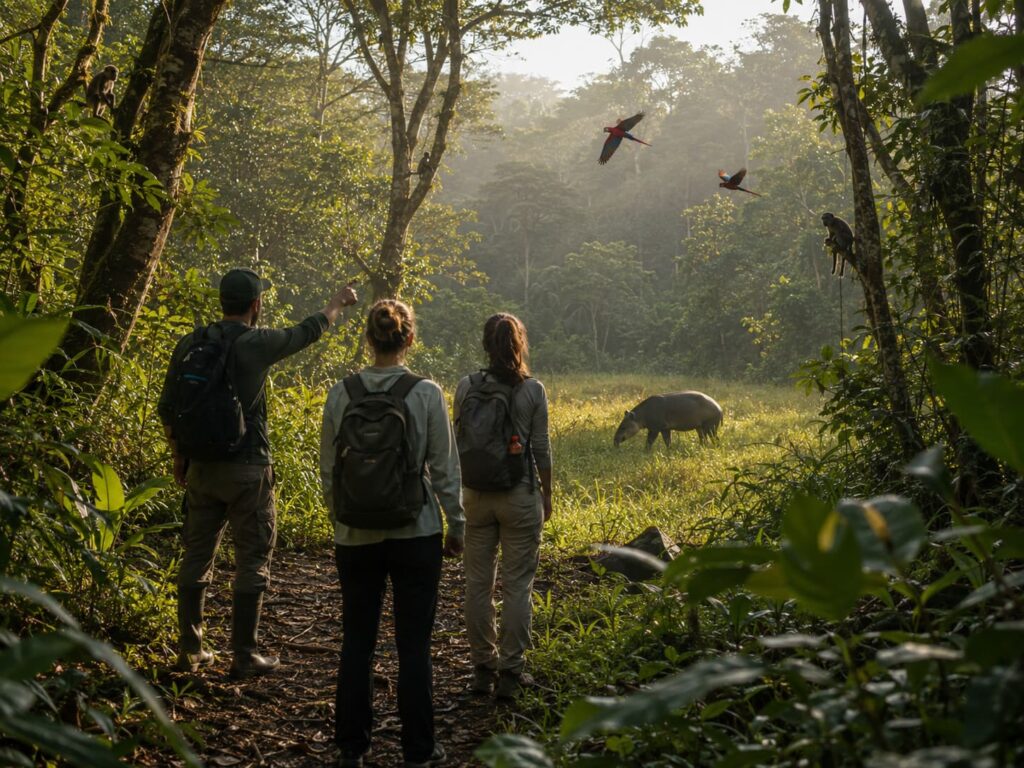
For the truly burnt-out who want to fully vanish, there are multi-day treks that connect stations, most famously the roughly 16-kilometer jungle hike from La Leona to Sirena, often with a night at the ranger station in between. This is the maximum-immersion version, days on the trail with a guide, camping or bunking inside the park.
Out here there is no signal, no email, no way for anyone to reach you. For a couple of days you are fully offline in the most literal sense, which for a lot of tech workers is the actual medicine.
It demands stamina, tolerance for heat and humidity, and comfort with basic conditions. It is not a casual booking.
Best for experienced hikers who want a genuine backcountry reset. Skip it if you want any creature comforts at all.
A Few Practical Things Before You Go
Give the Osa Peninsula at least two or three days. It is remote, and rushing it defeats the purpose. Plan the trip the way you would organize a proper workflow, sorting permits, transport, and your base town in the right order before anything else.
The dry season from December to April brings firmer trails and easier access, and it is also when permits go fastest, so book four to six weeks ahead. Tours depart brutally early, often 5:30 to 7 in the morning, to catch peak wildlife hours, so bring a light layer for the cold boat ride.
Permits are issued by Costa Rica’s park authority, SINAC, and require your passport details, which your operator handles. For planning the wider trip, the official Visit Costa Rica site is a clean starting point, and it pairs well with any related Costa Rica guides already on the site.
Pack quick-dry clothing, real hiking shoes or sturdy sandals that can handle river crossings, a dry bag for electronics, insect repellent, and reef-safe sunscreen. Connectivity on the Osa is limited even before you enter the park, so download anything you need offline in advance and, honestly, lean into being unreachable.
Choosing the Right Reset for You
Corcovado rewards travelers who match the trip to how deep they want to go.
Start by comparing your options through Corcovado National Park Tours so the permits and logistics are handled. Want a gentle first taste, take the San Pedrillo day tour. Want the full wildlife spectacle, go to Sirena, and stay overnight if you can. Want a raw, physical hike, do the La Leona coast. Want to disappear entirely, take the multi-day traverse.
For anyone who spends their working life staring at a screen, a few days in a rainforest with no signal is the closest thing to a clean restart there is. Pick your route, hand off the logistics, and let the jungle handle the rest.
Author note: recommendations here are based on the park’s established access routes and the licensed operators required to visit. Permit availability, prices, and seasonal conditions change, so confirm the current details directly before you book.