
Launching a branded crypto wallet requires embedded ramping, custody, and compliance. These three providers lead the space.
Enterprises today face a crowded market of white‑label solutions. Many promise fast deployment but fail on critical backend functions like fiat integration or regulatory checks. A true enterprise‑grade crypto wallet must handle three things at once: moving money in and out of crypto, keeping assets secure, and following local laws. The platforms below deliver on all three. Each targets a different type of business, from fintech startups to licensed banks.
1. Paybis
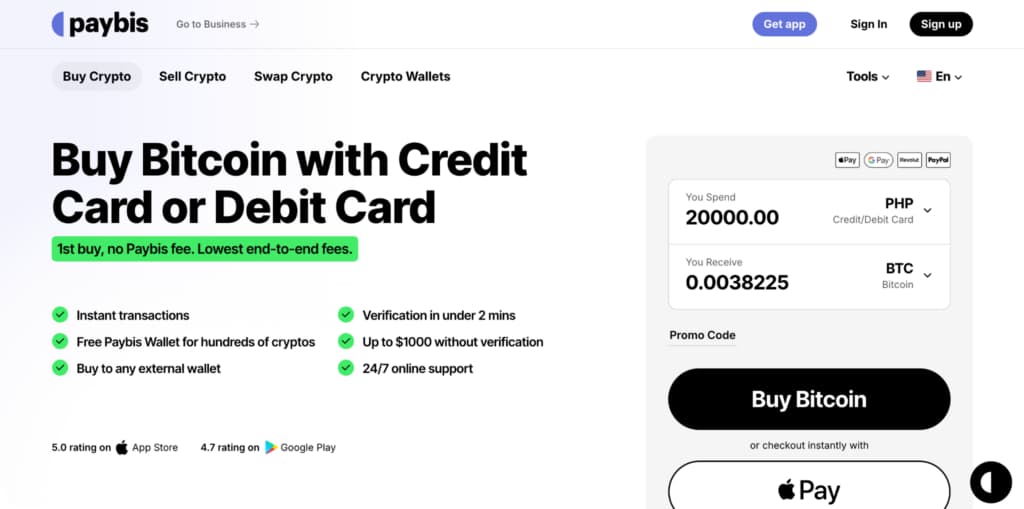
Paybis offers a white‑label crypto wallet built for businesses that want to go live in weeks, not months. The platform handles the heavy infrastructure work so teams can focus on branding and user acquisition.
Plug‑and‑Play Deployment
The Paybis WaaS solution comes with ready‑to‑use iOS and Android SDKs. Developers do not need to build wallet architecture from scratch. They simply integrate the SDKs, apply custom branding, and launch. The API‑first design allows deeper customization for enterprises with existing backend systems.
Built‑In Fiat On‑Ramps and Off‑Ramps
Many white‑label wallets stop at crypto storage. Paybis includes embedded ramping. End users can buy crypto with debit cards, bank transfers, or other local payment methods directly inside the branded wallet. They can also sell crypto back to fiat without leaving the app. This removes a major friction point for new crypto users.
Key capabilities:
- Support for 90+ cryptocurrencies, including Bitcoin, Ethereum, and major stablecoins
- MPC custody that eliminates single points of failure
- No need for separate custody vendor integration
- Automated compliance checks integrated into the ramping flow
Security and Control
The platform uses multi‑party computation (MPC) technology. Private keys are never assembled in one place. This reduces hacking risks while keeping assets accessible to legitimate users. Enterprises retain control over fee structures, supported assets, and transaction limits.
Paybis also provides transaction monitoring and anti‑fraud tools. These run automatically on every deposit and withdrawal. For businesses entering regulated markets, this built‑in layer saves thousands of hours of development work.
2. ChangeNOW

ChangeNOW takes a different approach. Instead of a full wallet suite, it provides modular white‑label exchange widgets and a swap API. This works well for businesses that already have basic wallet infrastructure but lack cross‑chain trading capabilities.
Swap API and Exchange Widgets
The core product is a non‑custodial swap engine. Enterprises embed ChangeNOW’s widget directly into their existing crypto wallet interface. Users can exchange one cryptocurrency for another without registering for a ChangeNOW account. The widget handles rate calculation, transaction tracking, and delivery.
What the white‑label package includes:
- Customizable widget colors, logos, and text
- Support for over 800 cryptocurrencies
- Fixed and floating exchange rates
- No need for users to complete KYC on small transactions
Strong Multi‑Chain Asset Support
ChangeNOW excels at moving value between blockchains. A user can swap Bitcoin for BNB, Ethereum for Solana, or any other combination across 50+ networks. The platform manages cross‑chain bridges and liquidity behind the scenes. Enterprise partners do not need to maintain their own swap pools.
Limited Fiat Integration
The main trade‑off is fiat. ChangeNOW focuses on crypto‑to‑crypto swaps. While some fiat options exist through partner integrations, the platform does not prioritize on‑ramps or off‑ramps. Businesses that need to convert dollars to crypto should look elsewhere. Companies that only need asset swapping find ChangeNOW fast and reliable.
Use cases include crypto‑only exchanges, DeFi dashboards, and portfolio trackers that want to add swap functionality without building a matching engine.
3. B2BINPAY

B2BINPAY targets a specific audience: banks, electronic money institutions, and licensed financial firms. The platform prioritizes compliance and fiat‑crypto gateways over consumer‑facing design.
Designed for Regulated Entities
Traditional financial institutions cannot use most white‑label crypto wallets. The compliance gap is too wide. B2BINPAY closes that gap with automated KYC workflows, transaction screening, and reporting tools. The system integrates with existing bank compliance systems through standard APIs.
Core compliance features:
- Tiered KYC verification levels based on transaction volume
- Real‑time sanctions screening against global watchlists
- Automated suspicious activity reporting
- Audit logs for every transaction
Fiat‑Crypto Gateway
B2BINPAY provides a full fiat gateway. Banks can offer crypto buying and selling directly inside their mobile apps. The platform connects to multiple payment providers and liquidity sources. Settlement happens in fiat or crypto, depending on the institution’s preference.
Unlike consumer‑first wallets, B2BINPAY does not push for a sleek user interface. The focus stays on backend reliability, uptime, and regulatory coverage. The white‑label product includes a basic wallet interface that institutions can customize. Many partners choose to build their own front end and keep only the backend services.
Lower Priority on Consumer UX
The trade‑off is user experience. B2BINPAY’s default wallet design feels functional rather than polished. Enterprises that want a highly engaging consumer app will need to invest extra development time on top of the white‑label package. The platform works best for banks and EMIs that already have strong UX teams and just need a compliant crypto backend.
How to Match a Platform to Business Needs
Each of these three white‑label crypto wallet providers serves a distinct enterprise use case.
- Paybis WaaS fits businesses that want a complete, ready‑to‑launch wallet with fiat ramping and custody in one package. The plug‑and‑play SDKs reduce time to market.
- ChangeNOW works for companies that already have a wallet or custody solution but need cross‑chain swap functionality. The lack of fiat ramps is a non‑issue for pure crypto platforms.
- B2BINPAY targets regulated financial institutions that cannot compromise on compliance. Banks and EMIs get a fiat gateway that passes regulatory scrutiny.
No single platform wins in every category. The right choice depends on the main priority: fast launch with full features, flexible asset swapping, or enterprise compliance.
Conclusion
The right white‑label crypto wallet depends on whether fiat ramping, regulatory readiness, or pure asset swapping is the priority. All three offer mature infrastructure. Each serves a different enterprise use case. Paybis delivers a complete wallet with embedded ramping and MPC custody. ChangeNOW provides best‑in‑class cross‑chain swapping without registration friction. B2BINPAY gives banks and EMIs a compliant fiat gateway. Enterprises should pick based on their primary user need first, then evaluate secondary features.